Center the human. Compress the rest.
Basa keeps people at the center of the decision and compresses everything around it.
We do deals in 2026 the same way we did them in 1999.
Emails, spreadsheets, Word documents, redlines and PDFs. That works when a team does 10 deals a month. It breaks at 500, or 1,000.
The volume is going up. AI is making content faster and cheaper to make. A brand that once spent a million dollars on one Brad Pitt commercial now spends it on hundreds of creators. You can make the content. You can't make the deals fast enough.
As everything around a decision gets faster, the person making the decision becomes the bottleneck. Their week goes to following up and retyping terms instead of deciding.
We started with creator marketing because that is where the volume is already outpacing the systems built to handle it.
The deal is how you get to the work.
A company signs a creator deal to launch a campaign and grow revenue. A creator signs to make the work and get paid for it. The deal is how both sides get there.
More and more, teams spend as much time on the deal as on the work it is for. Sometimes more. Four weeks of back and forth for a $500 post.
That time is negative value for everyone. It comes out of the creative, the campaign and the relationship.
Basa compresses that time, so companies and people spend it on what the deal was for.
A creator deal comes down to a few decisions.
Those decisions can take minutes. The work around them takes weeks.
Basa follows the deal from the first offer to the signed record. People make every decision along the way. Basa takes the work around those decisions.
Why it's built this way
A contract is structured data after a messy human process. So we built Basa around the terms, not the document.
When the term is what people work on, they negotiate one thing at a time. Each change is clear. The record builds as the work happens, instead of being rebuilt from PDFs afterward.
Basa works with the tools you already have. It sits alongside your e-signature provider, your contract system and your payment systems.
See what the record answers →Why we built Basa
I have spent twenty years on every side of the deal.
I started in law, at the FTC and Akin Gump. Then I managed the band Delta Rae for close to a decade, through a Warner Records deal, music licensing and years of touring. At Religion of Sports, I was the third employee and an executive producer, making deals from the producer's side.
Some of my proudest moments with Delta Rae had nothing to do with numbers. It was watching people drive hours, take off work and plan trips just to be in a room for live music. Time is the real currency. How we spend it reflects who we are.
I'm proud of those twenty years. But months, maybe years, of my life went to things I can't remember doing. Hunting for "AGREEMENT_FINAL_v4" across email threads. Reconstructing what was agreed two weeks ago. "Just following up." For most of those years, it was 30 to 40 percent of my time.
These are the things we'd never put on our LinkedIn. We don't come home and tell the people we love about them. But they take up so much of our lives.
Each of us has a skill we were hired for. For most of us, that skill sits before the deal or after it. And when the deal is finally signed, the work it was for hasn't even started.
That is the gap between intention and execution. Influencer marketing is living it now, because the number of deals has outgrown the systems built to handle them. I believe most knowledge work will live it next, in and out of the creative industries.
Ryan Buterbaugh, my cofounder and CTO, has spent twenty years building enterprise software, including work for Southwest Airlines and Sony. We've known each other since we were ten. With our team, we built Basa to shorten that gap.
If you got that time back, what would you do with it?
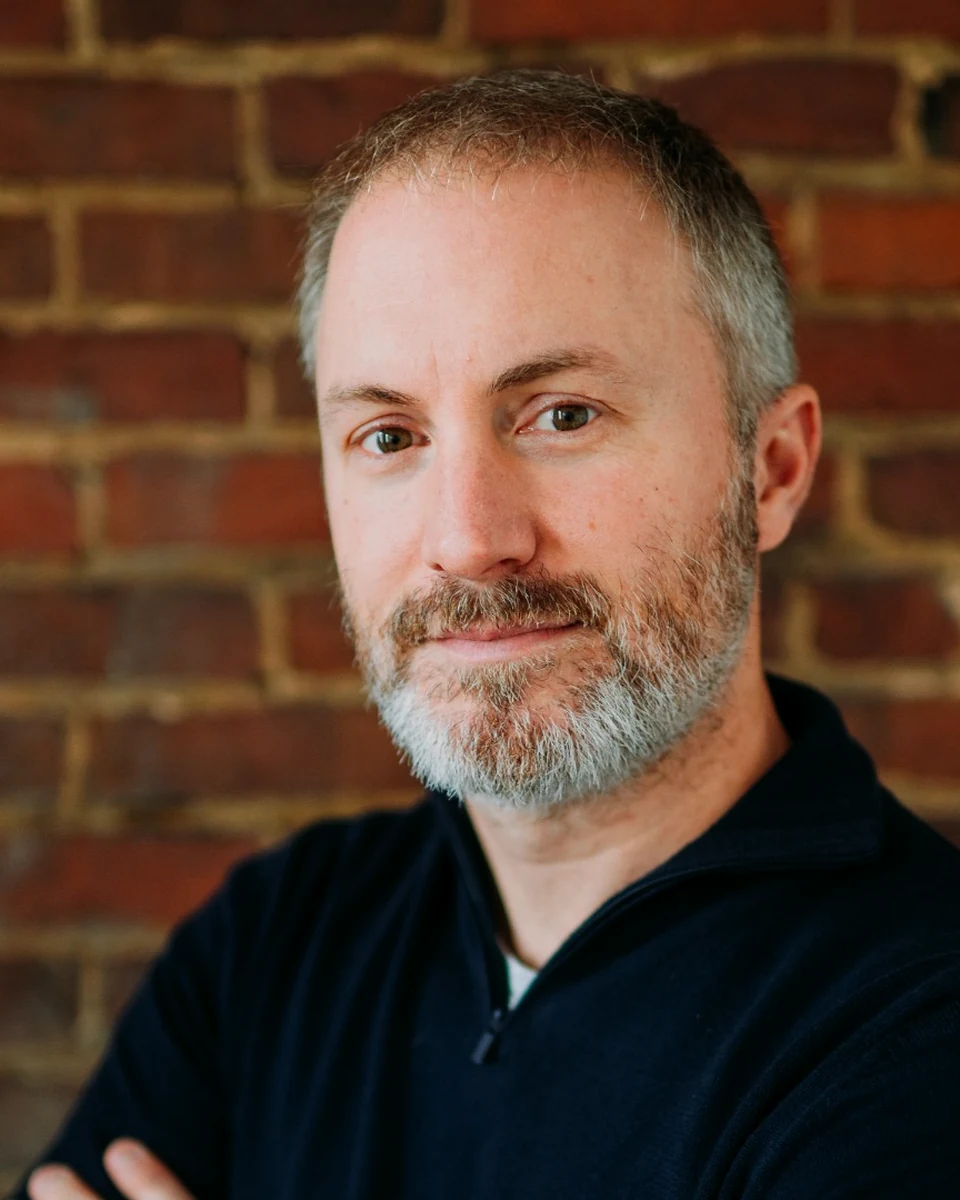
Adam Schlossman, cofounder and CEORead the Net Influencer interview → (opens in a new tab)
See a deal go from first outreach to signed contract.
Click through an example. No form. No email address.